The phenomenon of avoiding screening for colorectal cancer is serious… The continuous home screening rate is only 16%
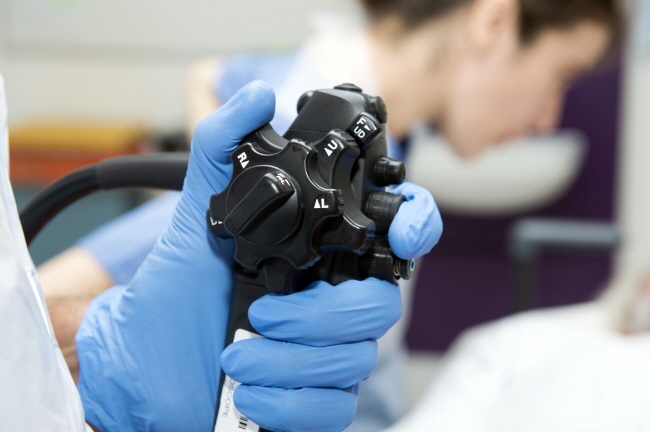
Despite the expansion of the national cancer screening program, 8 in 10 patients still do not receive colorectal cancer screening. Only 16.9% of all patients received checks more than once per cycle. As a result, experts believe that large-scale educational and promotional strategies aimed at these people are needed. One study found that only 16.9% … Read more
Will the controversy over pancreatic cancer risk involving GLP-1 drugs be resolved? There is no basis

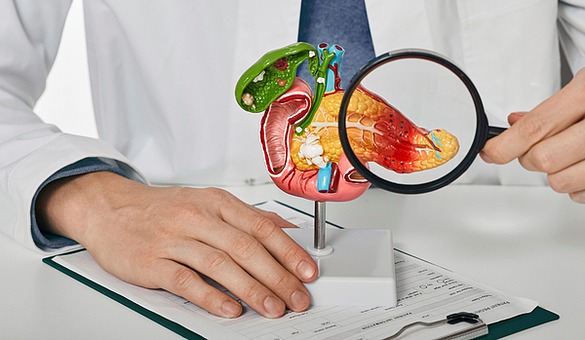
Concerns have been raised that the use of glucagon-like peptide-1 (GLP-1) receptor agonists may increase the incidence of pancreatitis or pancreatic cancer, but a large-scale cohort analysis found that this was unfounded. The results of a study on the association of pancreatic cancer risk with the use of GLP-1 agents conducted by Dr. Rachel Dankner … Read more

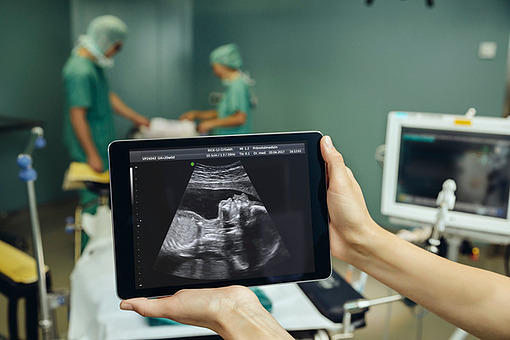
Low-dose therapy of 500 mg is sufficient to prevent preeclampsia in pregnant women.

One study showed that instead of high-dose calcium supplementation of 1,500 mg or more, a low dose of 500 mg is sufficient to prevent preeclampsia, which causes edema, hypertension, and proteinuria after pregnancy. It is believed to be more convenient to take as it can be taken with just one general calcium supplement, compared to … Read more

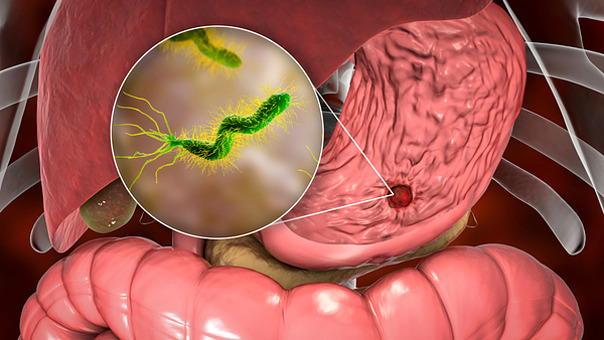
Helicobacter infection increases the risk of dementia… Increase up to 24%.

Recently, research on the relationship between intestinal microorganisms and diseases is in full swing, and research results have shown that Helicobacter pylori infection increases the risk of developing dementia. In the case of Helicobacter pylori infection, the risk of dementia increased by up to 24%, but in the case of salmonellosis, caused by the Salmonella … Read more

Helicobacter infection increases the risk of dementia… Increase up to 24%.

Recently, research on the relationship between intestinal microorganisms and diseases is in full swing, and research results have shown that Helicobacter pylori infection increases the risk of developing dementia. In the case of Helicobacter pylori infection, the risk of dementia increased by up to 24%, but in the case of salmonellosis, caused by the Salmonella … Read more

What research was selected this year by leading academic journals? GLP-1·Lecanemab

Leading academic journals such as JAMA, NEJM, and Science have selected glucagon-like peptide-1 (GLP-1) receptor agonists focusing on semaglutide and new Alzheimer’s drugs as the most influential research this year. JAMA focused on the risk of gastrointestinal side effects of the weight-loss drug GLP-1, while NEJM focused on the effectiveness of the GLP-1 drug semaglutide … Read more