
However, only about 20-30% of them now get access to the most modern, so-called targeted therapy. Others use so-called conventional treatment, for example in the form of corticoids, antibiotics or immunosuppressive drugs. “Incidence of intestinal inflammation in the Czech Republic is similar to that in Western Europe. There, however, unlike us, a significantly larger proportion of patients receive modern treatment. In recent years, we have experienced a revolution in the therapy of intestinal inflammation – we have available modern biological treatment and targeted therapy involving so-called ‘small molecules’. And with those, we could and would like to treat several thousand more patients than is the case now,” explains gastroenterologist prof. MD Milan Lukáš, CSc.
Professor Lukáš is one of our leading experts in idiopathic intestinal inflammation.
Author: Michal Protivanský, CNC

According to him, there are several reasons why modern drugs do not reach all patients: the limited budgets of the specialized centers where the treatment is administered, the fact that many patients arrive at these centers late and sometimes in a condition where part of the damaged intestine needs to be surgically removed remove.
“The situation is also not helped by the fact that some modern drugs belong to the second line of treatment, which means that the patient must first undergo first-line treatment or is taking corticoids, antibiotics or drugs that suppress immune reactions – immunosuppressants,” adds prof. Luke.

Negotiations with insurance companies
Gastroenterologists are negotiating with both health insurance companies and the State Drug Control Office to move modern drugs to the first line. As the vice-chairman of the Czech Gastroenterology Society, doc. MD Martin Bortlík, Ph.D., in the Czech Republic, up to 100,000 people may live with intestinal inflammation in 2035.
„Most people get these chronic autoimmune diseases at a young age, around the age of 20 to 30. Although inflammations worsen the quality of life, they do not shorten it. According to our experience, modern treatment significantly improves the lives of patients. It turns the disabled into able-bodied individuals who can function normally in the family and maintain social contacts.” explains doc. Bortlik. According to him, the return of patients to normal life will pay off economically for the state even at the cost of paying for modern drugs.

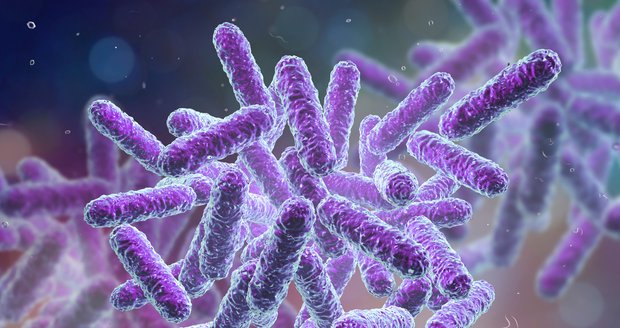
Not all bacteria that live in our intestines are harmful. A number of them shape our microflora, and thus our immunity.
Author: scom
Healthy intestines: Radek Klubal, M.D Video editing of women’s titles