

The series starring the poet, musician and actor Vladimir Vysotsky, who is also incredibly popular in our country, was produced 45 years ago and showed a dirty, dangerous world that officially did not even exist.
At that time, the Hungarian audience had a love-not-love relationship with Soviet film production, which practically flooded domestic cinemas with its astonishing quantity of films for decades. You can criticize overly heroic war epics or overly dramatic works, but they were part of our everyday life, and there were definitely great works – and less great ones. Then, little by little, Soviet/Russian TV series also appeared, such as 17 Moments of Spring (1973), but nothing even similar to A Fekete Macska Bandája (1979) was born, which dissected topics that were considered absolutely taboo for many, many years. Among other things, it was about organized crime, which officially did not exist in the former Soviet Union.
The story is directly related to II. It takes place after the end of World War II, when the lost a significant part of the personnel of the Moscow police, as many of them were called up as soldiers. Due to this and the chaotic conditions caused by the war, crime has reached incredible proportions, and the underworld has become incredibly corrupt. The most infamous among them is the titular Black Cat gang, who regularly draw a black cat on the wall at the crime scene – or leave a black kitten there. That’s when the idealistic young scout chief lieutenant Vladimir Sarapov arrives, almost from the front (Vladimir Konkin) to the unit set up against banditry, led by the well-known police captain Gleb Yegorich Zhelov (Vladimir Vysotsky),
who believes that any means is permissible if it is possible to put criminals behind bars.
Although Sarapov witnesses the murder of a police officer on his first day of work, he believes in the inviolability of the law above all else, so their work together is fraught with conflicts.
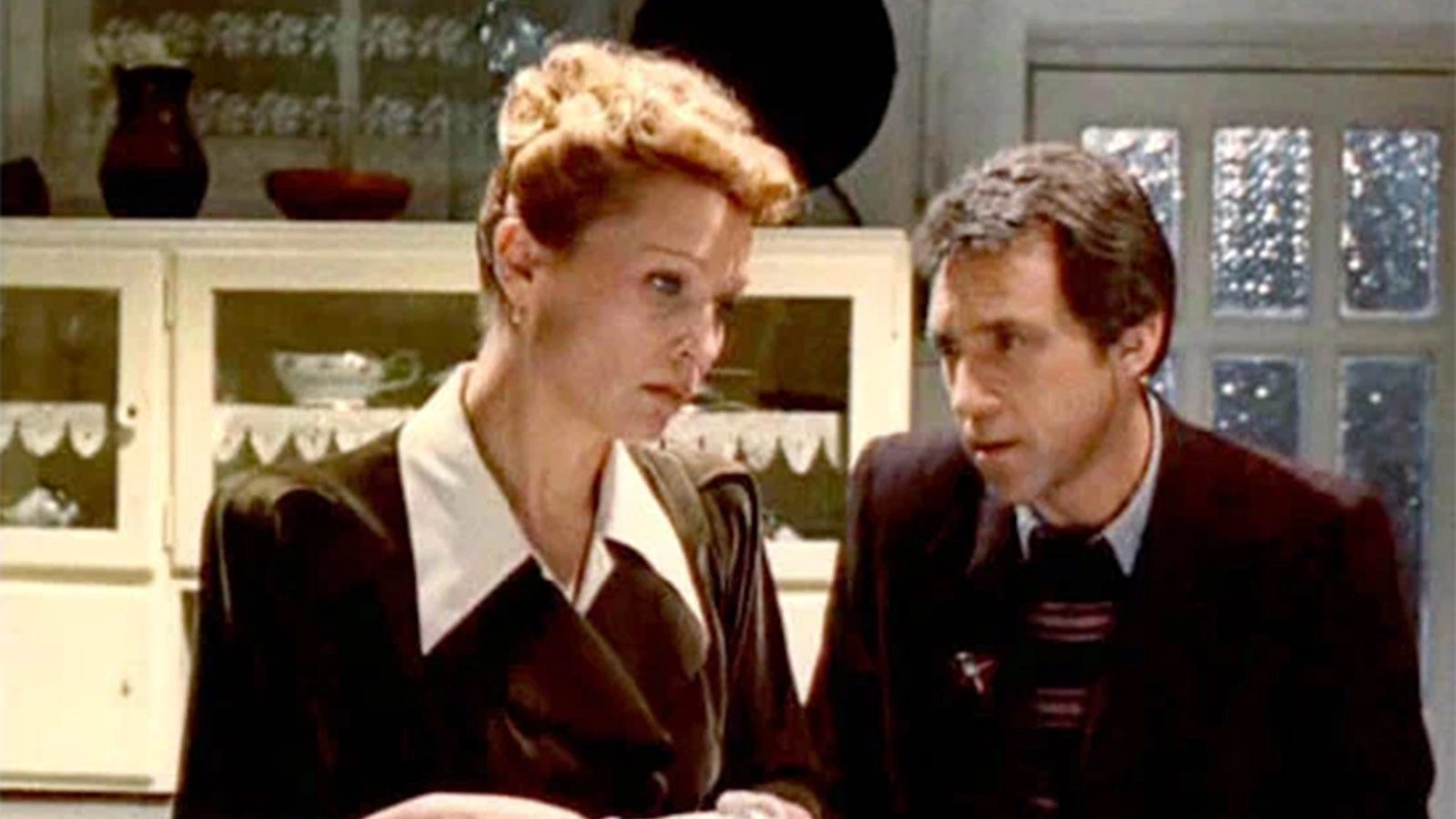
Arkady and Georgy Vajner The Age of Compassion The five-episode, approximately 70-minute crime series made by his novel is an exciting, crude work in itself, in which the police are not heroes, they are not examples to be followed, their methods are questionable, there are cowards among them, just as among the criminals there are also those with outstanding intelligence.
It was not customary to depict such a thing then and there
– originally there would have been seven parts, two of which were cut out by the censors. Although the Fekete Macska gang existed – they were mostly juvenile, not very smart burglars – the stories mainly dealt with the actions of Iván Mityin’s gang from Krasnogorsk, who committed a series of robberies and murders at the very beginning of the 1950s, not shying away from police murders. The Gruzgyev case was also a real case, with a different name, of course, just as the character of Lieutenant Sarapov was modeled on a real person, the police officer Vladimir Pavlovich Arapov, who later became the head of the department set up against organized crime in the Moscow police.
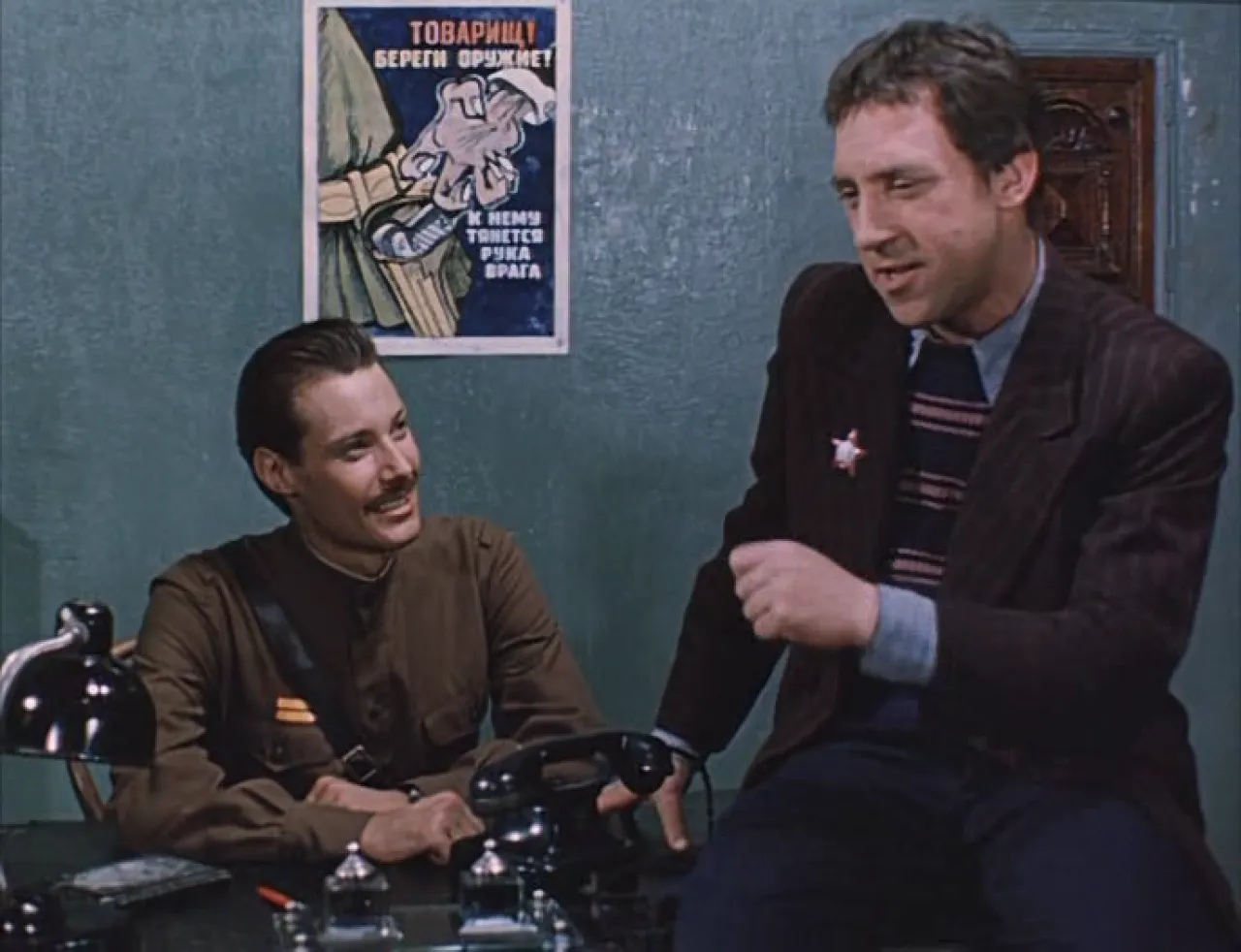
This in itself makes the series exciting, but that’s not why it became so popular not only in the Soviet Union, but in all socialist countries, and even in the West, where it ran under the title The Age of Compassion – the original Russian title referring to the ending It is forbidden to change the meeting place volt. Everyone noticed him because with shocking openness, it depicted poverty, crime, the depressing world of shared apartments and Moscow suburbs, how veteran soldiers and heroes of the Great Patriotic War turn into unscrupulous criminals, and there were even open references to Stalin’s labor camps. Another great attraction of the series is one of the main characters, It was the person of Vladimir Vysotsky. Vysotskyi was a strange phenomenon, poet, writer, musician, actor, human rights activist, who could not be silenced by the system due to his incredible popularity – rather, he was tolerated, within the appropriate limits.
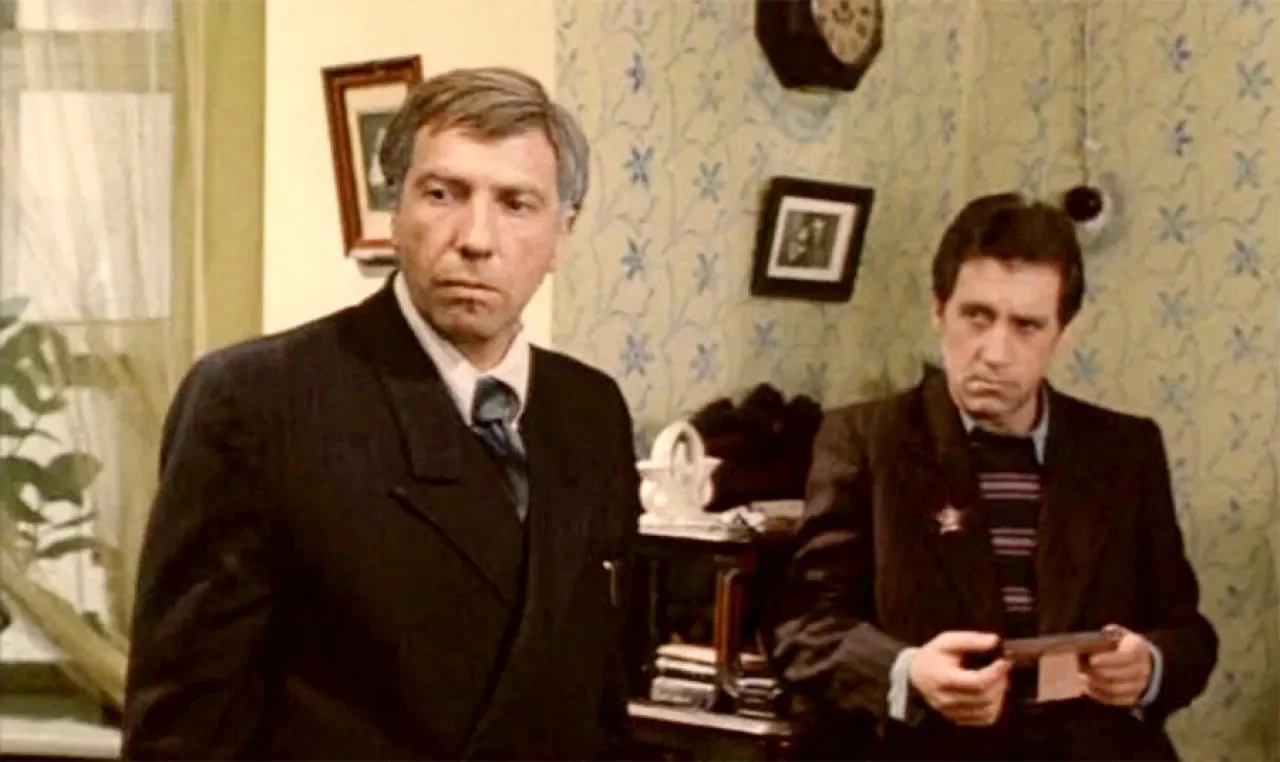
In his country, his songs and poems could not be officially published during his lifetime, but they passed from hand to hand as copies. Marina Vlady with a Russian-born French actress through his marriage, he gained international fame and played Márta Mészáros The two of them (1977) in his drama. However, the pressure at home drove him to alcoholism and morphine use, and his death was caused by a resulting heart attack during the 1980 Moscow Olympics. An unprecedented crowd gathered at his funeral, and he is still considered one of the tragic heroes of the Russian people.
#Black #Cat #Gang #Soviet #crime #series #finally #showed #reality
2024-07-19 00:47:52