

Solid and liquid wastes dumped into rivers and streams that flow through the city of Bujumbura and then flow into Lake Tanganyika pose a threat to the latter. It is crucial to protect this lake from such pollution practices, given that it is a tourist destination.
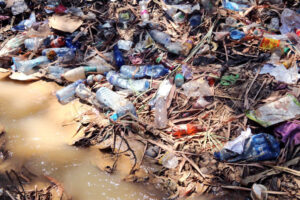
Throwing solid and liquid waste in inappropriate places is a behavior that should be banned, because protecting the environment is everyone’s responsibility. It is essential for the current and future life of the population.
Solid and liquid waste from households, crafts and industries is observed in different places in the city of Bujumbura. This waste mainly includes plastics, polluted water from industrial processes, wastewater (from toilets), as well as gray or domestic water (from sinks, showers, kitchens and washing machines, etc.). Sometimes, this waste flows into rivers and streams whose waters then flow into Lake Tanganyika. This pollution endangers the quality of the lake’s water as well as the fish consumed by the Burundian population.
According to Christian Nimubona, Director General of Environment, Water Resources and Sanitation within the Ministry of Environment, it is essential that the entire population assumes its responsibilities to protect the environment. He stressed that rivers and streams whose waters flow into Lake Tanganyika should not be used as dumping grounds. He also stressed that there is a specific place in Buterere where all types of waste can be deposited. These remarks were made during a visit carried out on Friday, July 12, 2024 on the Mpimba and Nyakizu rivers located in the Musaga area, Muha commune in Bujumbura.
Industrial wastewater threatens Lake Tanganyika
Lake Tanganyika should not be used as a dumping ground under any circumstances because we need it for drinking water and domestic water. We know that we use a lot of water from Lake Tanganyika in our respective homes, Nimubona said.
Among the liquid effluents discharged into surface waters, we can find decomposing organic matter, phosphorus, nitrogen, chlorinated compounds, bacteria, viruses, pathogens, metals, as well as other substances such as pharmaceuticals, etc. The most polluting wastewater comes from industries such as dairies, slaughterhouses, soap factories, paint factories, etc. All this poses a threat to the waters of the lake and has adverse consequences on the health of people who consume the fish that live there.
For Nimubona, Lake Tanganyika is a tourist destination, hence the importance of protecting it from sewage discharge. It is impossible to attract tourists to a lake that receives all the waste from various industries and households.
What should be done to avoid water pollution?
Water pollution is a major problem for people who depend on this resource. To address this situation, it is essential that reducing water pollution primarily involves the adoption of good practices by industries, households and users of aquatic environments. These practices include, in particular, the establishment of water treatment systems before discharge, the regulation of soil fertilization, the prevention of wastewater transfers to aquatic environments, the supervision or prohibition of the use of hazardous substances and the protection of water catchments.
According to Nimubona, protecting the environment is a duty that falls on everyone, as it is crucial for the current and future life of the population.
Sanctions are being considered
Christian Nimubona announced that the ongoing raids by the Ministry of the Environment to assess the situation of wastewater discharges into the rivers crossing the city of Bujumbura would be followed by the application of the sanctions provided for by the water code.
According to Article 142 of Law No. 1/02 of March 26, 2012 on the Water Code in Burundi, any person who, in violation of Articles 52 and 53, introduces materials harmful to the health of surface or groundwater is liable to a sentence of penal servitude of two months to five years, a fine of fifty thousand to eight hundred thousand Burundian francs or one of these penalties.
In this context, Nimubona calls on all those who dump domestic waste in inappropriate places to stop this behavior that is detrimental to the environment. He hopes that these raids will lead to a change in the population’s mentality and behavior in terms of protecting water and the environment.
#Lake #Tanganyika #dumping #ground